
About SAIL
A research and innovation center advancing Somali-language AI technologies and SomaliNLP research at Jamhuriya University of Science and Technology.
About Us
Jamhuriya University of Science and Technology (JUST) established the Somali-language AI and Innovation Lab (SAIL) based on a strong belief in AI's transformative potential to enhance healthcare, agriculture, operational efficiency, and service accessibility.
The lab advances Somali-language AI technologies and innovation while laying a strong foundation for Somali Natural Language Processing (SomaliNLP) research, building on years of work that brought Somali-language technology to regional and international research venues.
An estimated population of over 22 million people speak Somali across Somalia, Djibouti, Kenya, Ethiopia, and diaspora communities. Despite this wide usage, Somali remains severely under-resourced in AI research due to limited datasets, annotated corpora, and language models.
Vision
Mission
Strategic Foundation
The LLM Paradigm Shift
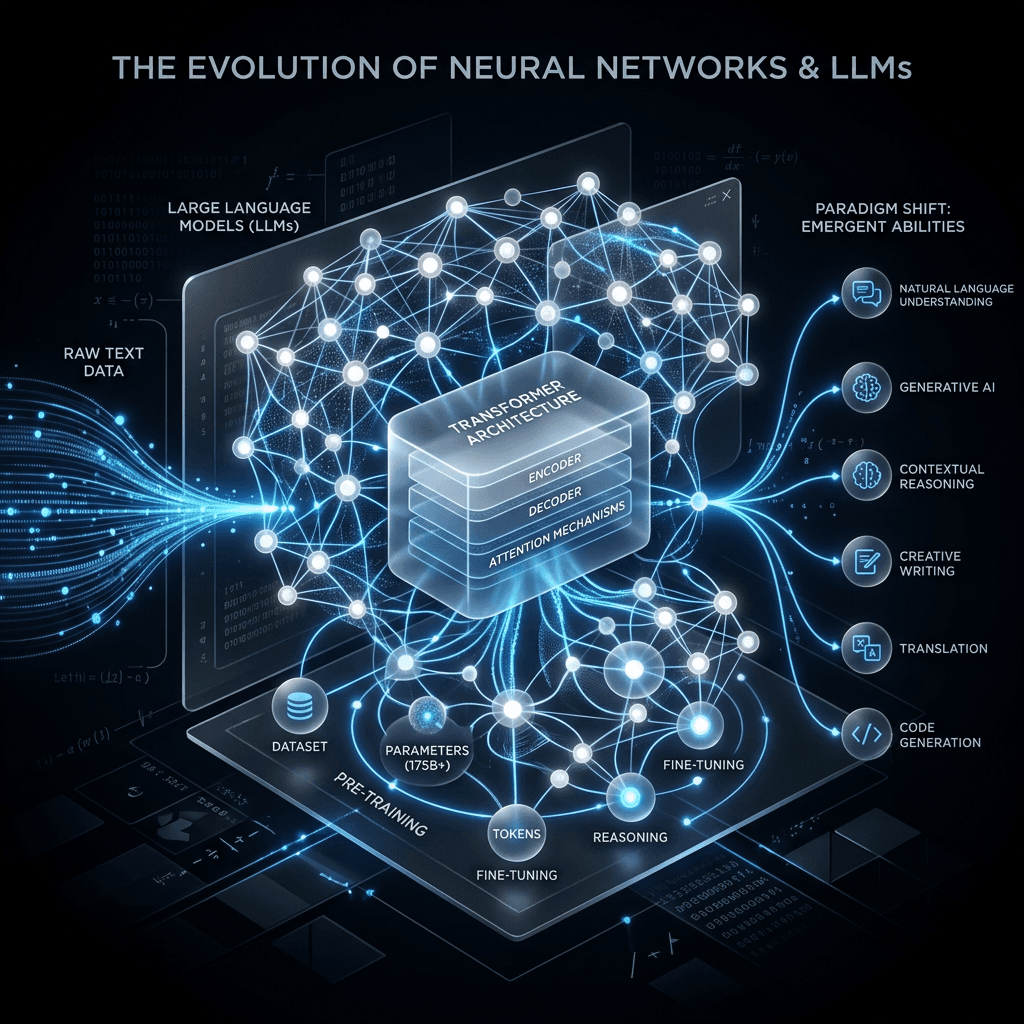
The recent shift toward Large Language Models (LLMs) offers unprecedented promise for low-resource languages. LLMs can learn from large raw text through self-supervised learning, making them far more efficient than traditional methods that require massive labeled datasets.
Expanding Digital Footprint
Somali now has a growing digital footprint—from news portals and blogs to social media and text corpora. This data provides essential raw material to train modern AI models and elevate Somali from extremely low-resourced to moderately resourced.

Growing Native Expertise
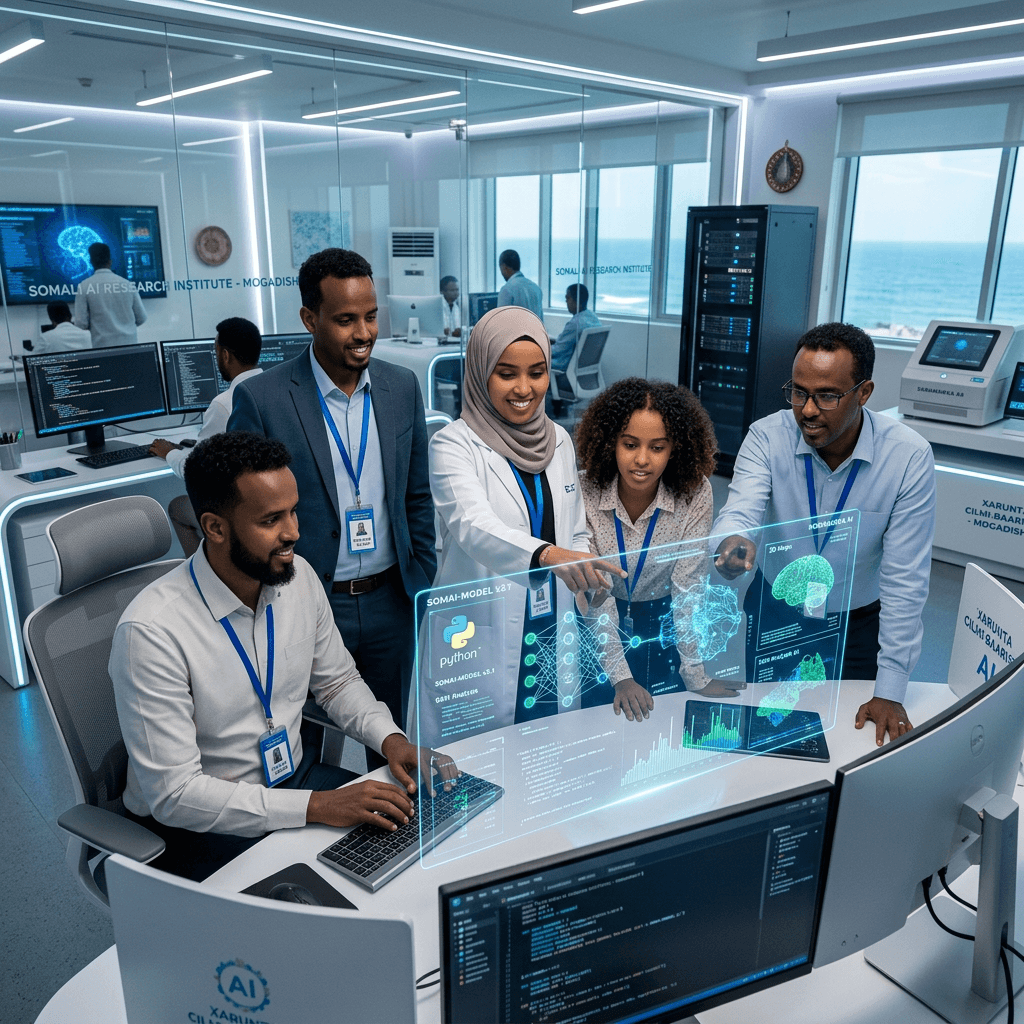
A growing cohort of native Somali researchers and engineers with NLP and AI expertise provides the linguistic intuition and cultural context necessary to build effective, Somali-centric language technologies.
A Timely Strategic Response
SAIL is a timely response to this unique opportunity. By leveraging LLMs, existing digital data, and Somali-centric expertise, we aim to develop essential data and models that make AI benefits accessible to the Somali community.